
What is the change you are leading right now?
The leaders I work with are trying to bring new technology — usually AI — into organizations made of human beings with histories, fears, and identities. That work is more human than technical, and it rewards a particular kind of practitioner. I have spent 25 years becoming that practitioner — as a CTO and CIO, a Family Psychologist, a 3x founder, an innovation lead at Cisco, and the former CEO of Axialent. If your team needs help leading well through what's coming, here are four ways I can help.
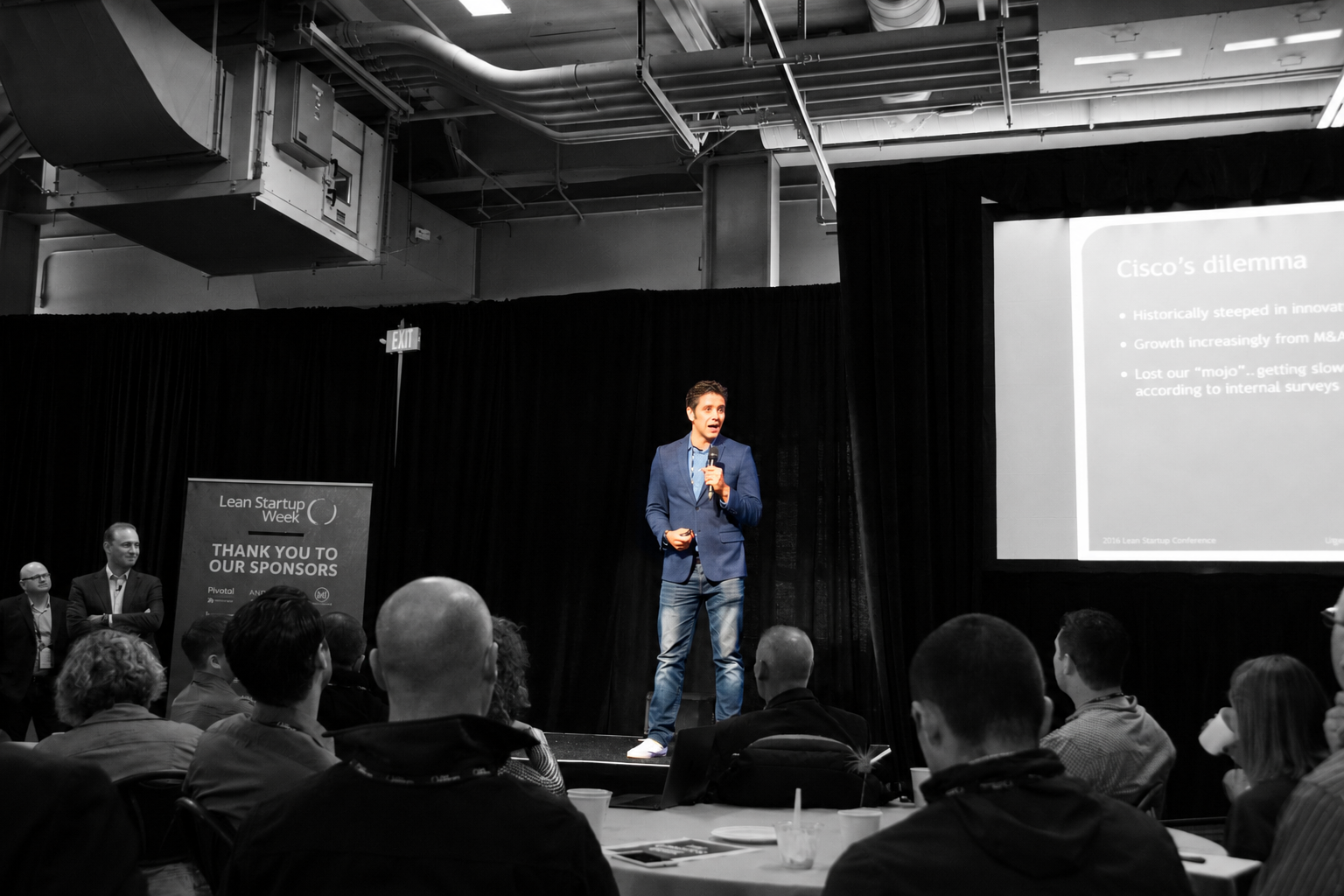





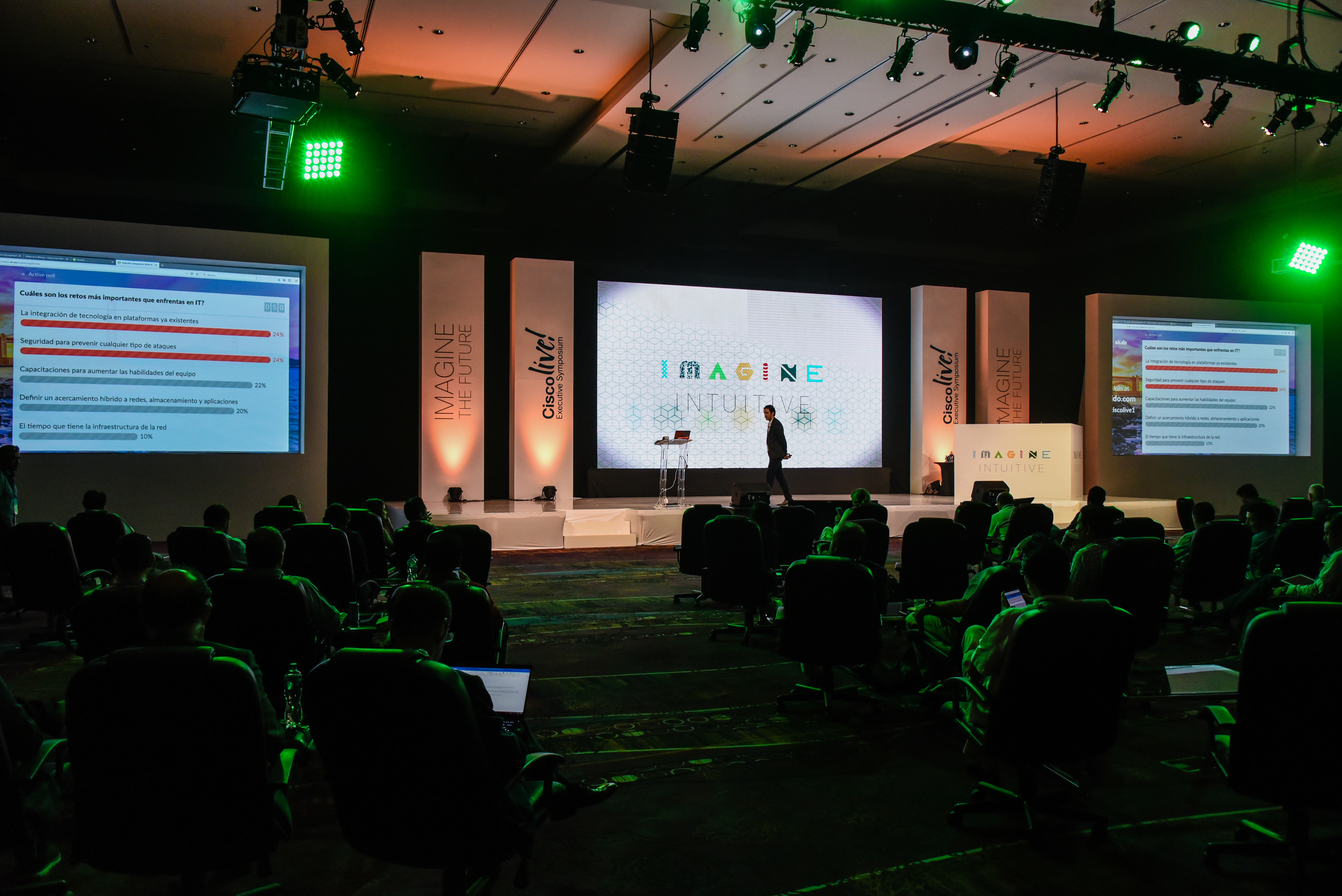
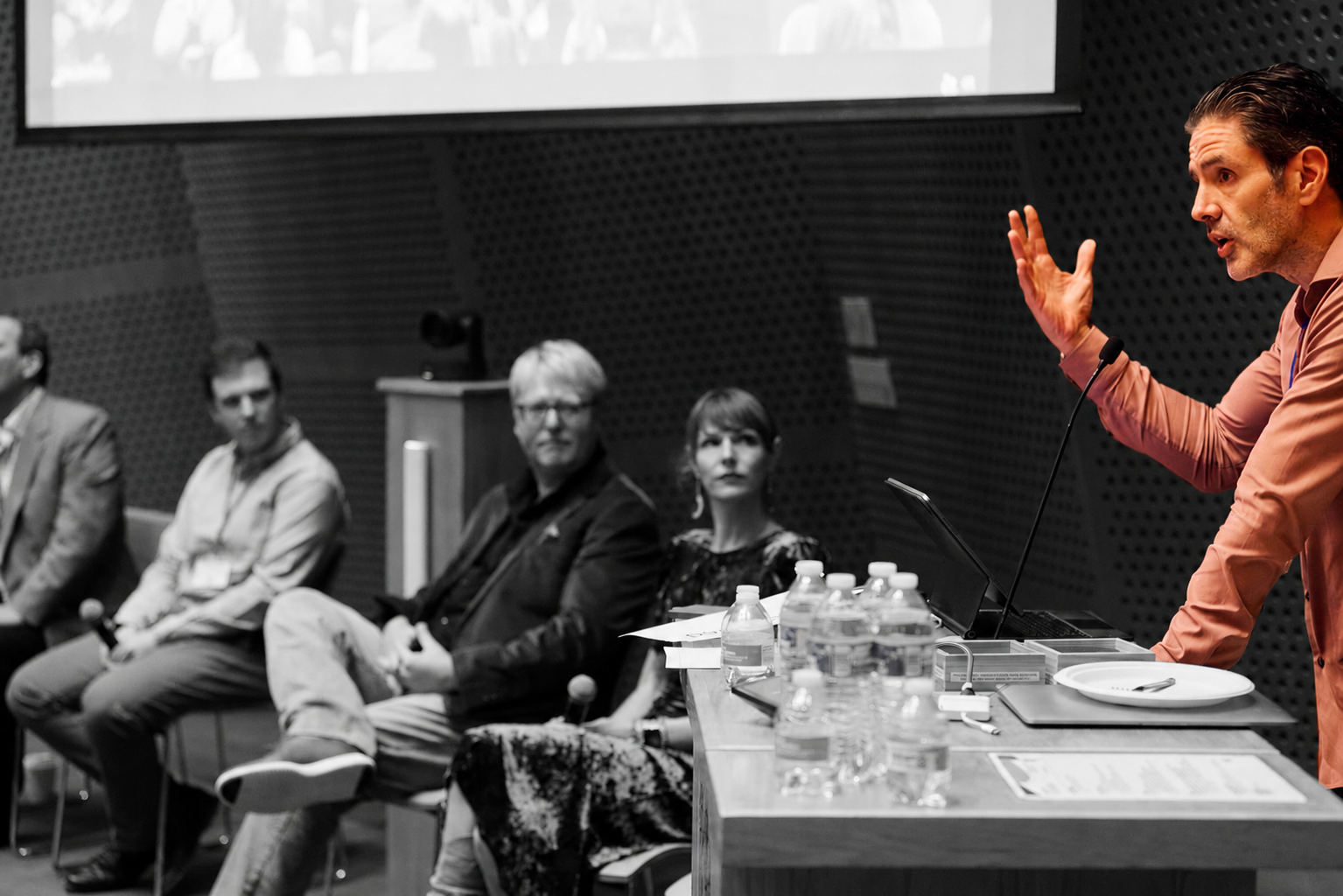
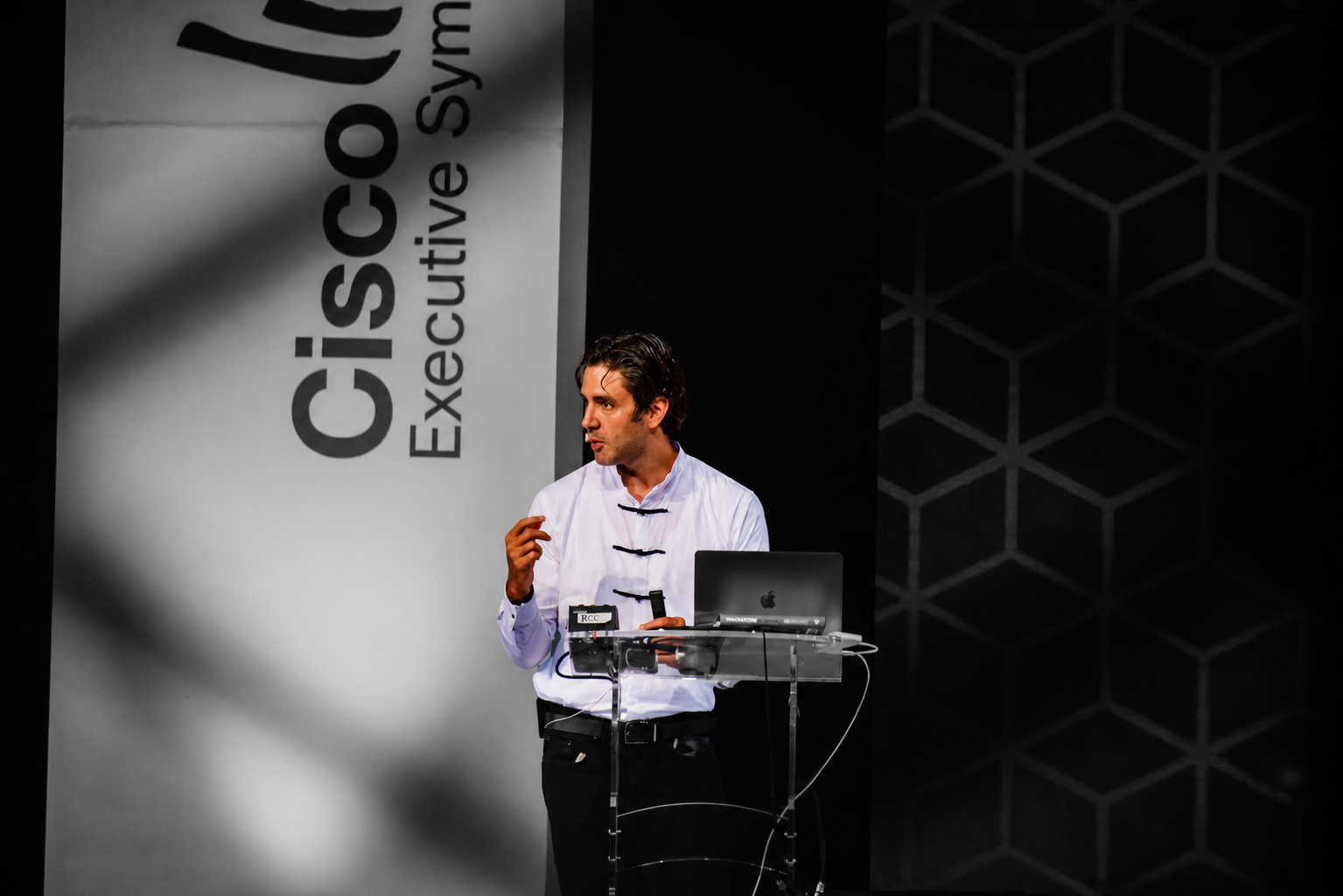
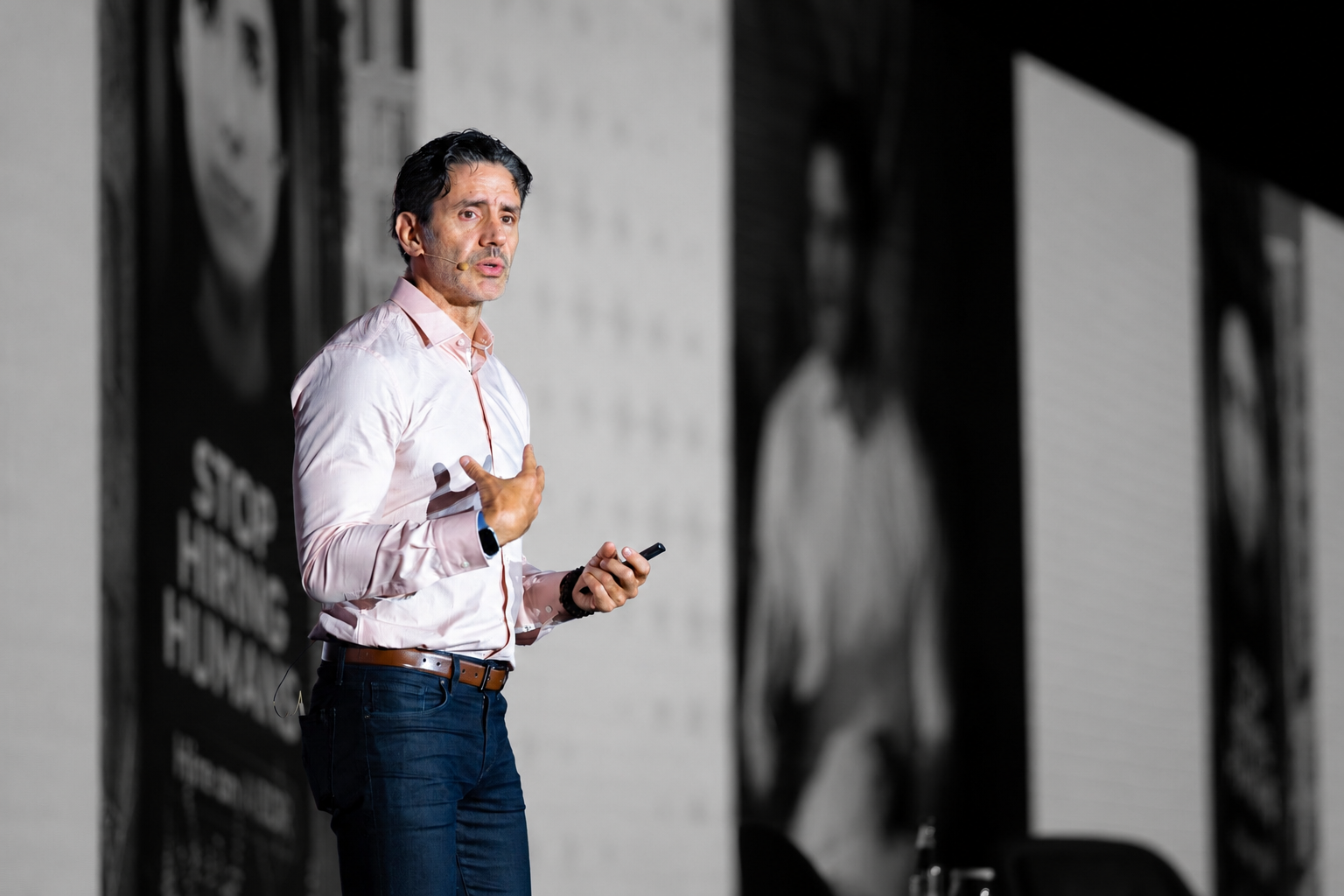
A few of the most recent stages.
AI and ethics — panel facilitator
Hosted by MIT. Senior leaders and faculty audience.
The human preconditions for AI adoption
12 HR senior leaders. Three hours. Defensive to curious in the first hour.
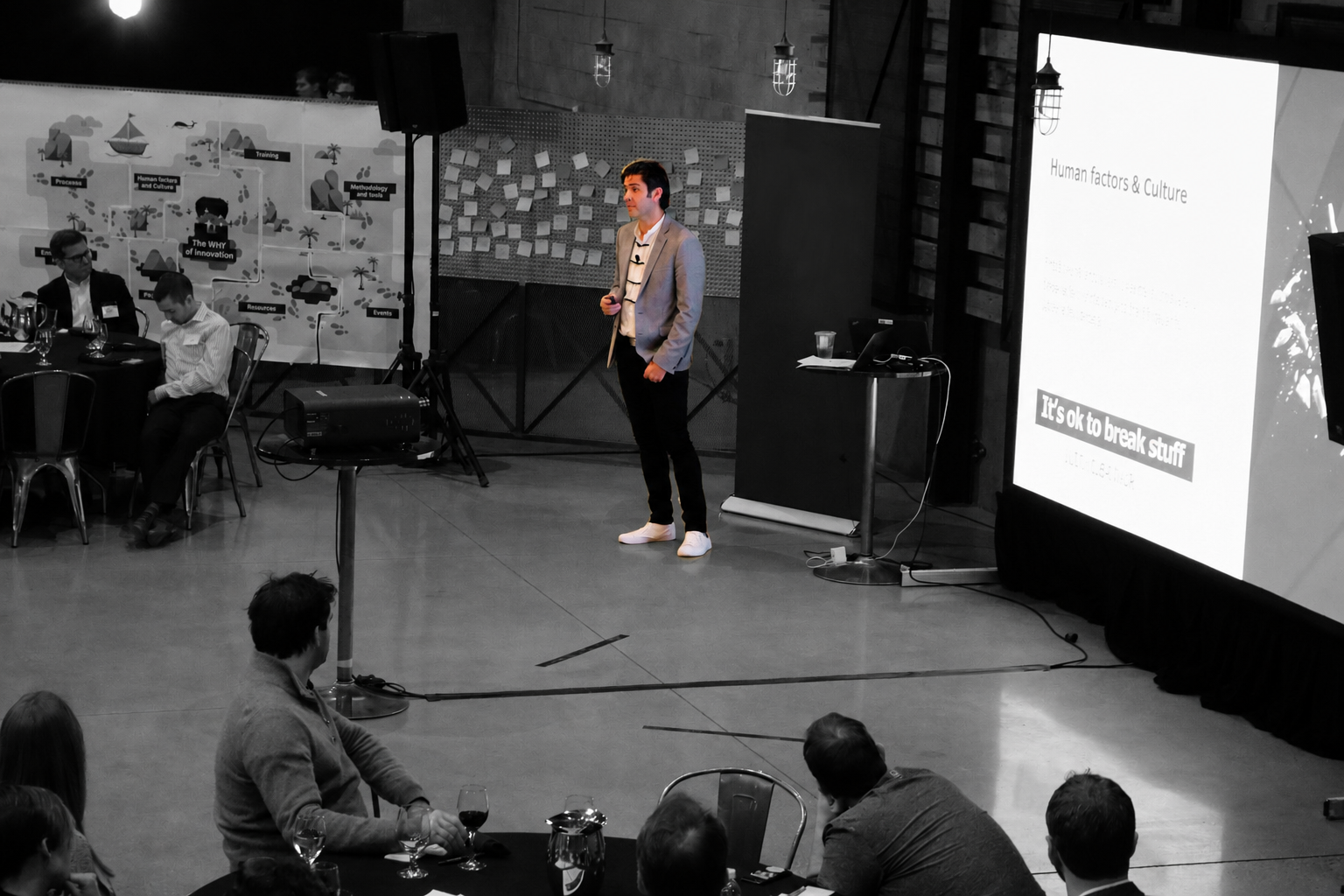
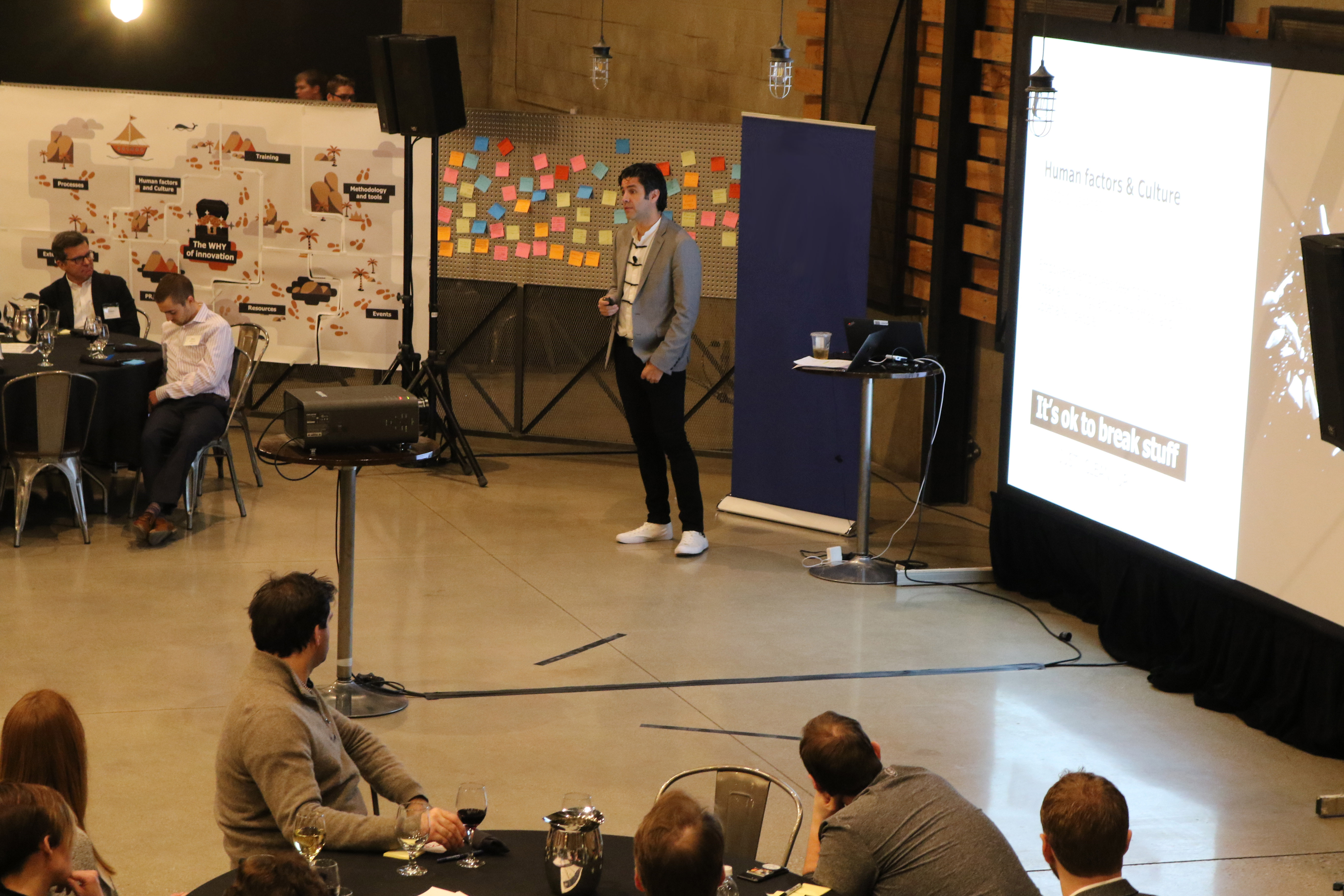
Corporate innovation in the age of AI
~30 senior leaders. The structural reveal that beats prompt quality.
Four lanes. One bridge.
If your team has invested in AI but the energy keeps stalling — or if you are a parent or school leader watching your kids navigate the largest social experiments in human history — that's lane 1.
You bought the licenses. You ran the training. The pilots looked good in the deck. But the energy keeps collapsing, and you can feel the fear underneath the politeness — the same fear, in a different vocabulary, that shows up at the dinner table when a parent watches a 12-year-old disappear into a phone, or when a school faculty tries to figure out what to do about ChatGPT in seventh-grade essays. The Family Psychologist in me knows that adult-team dynamics and child-development dynamics are not the same problem, but they are the same lens. Same conviction, two audiences: technology in service of human formation, not the other way around.
Read lane 1 — Human formation in the age of AI →If your people have tried AI but haven't made it part of how they work — that's lane 2.
There's a difference between using a tool and integrating one. Most of your people are still on the user side of that line. I run hands-on sessions that walk participants through their real workflows — not demos — and leave them with a practice plan they can actually keep. Skeptics in the room are welcome. Useful, even.
Read lane 2 — Practical AI at work →If your senior leaders need to lead innovation through AI without losing the discipline that makes innovation real — that's lane 3.
AI compresses the cost of an experiment. It does not — by itself — make your innovation real. I work with senior leaders on the structural moves that distinguish learning from launches: clearer roles, role-specific AI, the corporate innovation map refreshed, and the patterns that hold up when speed gets cheap.
Read lane 3 — AI + corporate innovation →If you want to apply the discipline of innovation to behavior — your own, your team's, your organization's — that's lane 4.
Most leaders run experiments on their products and superstition on themselves. I bring the same agile and lean instincts to habits, well-being, and behavior change. We design experiments worth running, measure what actually moves, and build the kind of personal operating system that makes the rest of the work sustainable.
Read lane 4 — Behavioral innovation →A combination unusual on purpose.
I have been a CIO at 18, a CTO before most of my peers had finished their first internships, and a Family Psychologist (degree, no longer practicing) — which sounds like a swerve until you see what came after. Three founded companies. The Cisco intrapreneur who incorporated Lean Startup into the company — work that ended up as the protagonist of an IESE business case on the Harvard Business Publishing platform. Strategy lead for Cisco's worldwide network of innovation centres. Former CEO of Axialent (Google, Microsoft, BBVA, P&G, Booking.com). Faculty at Duke CE and IESE New York.
The combination is the work. I bring tools from the technical side to human problems, and tools from the human side to technical ones. That is why a session with me does not look like a typical "AI for leaders" deck.
Read the longer story →Twenty-five years of rooms.
Tell me about the room.
Two business days, never a drip. If we are not the right fit, I'll point you at someone who is.